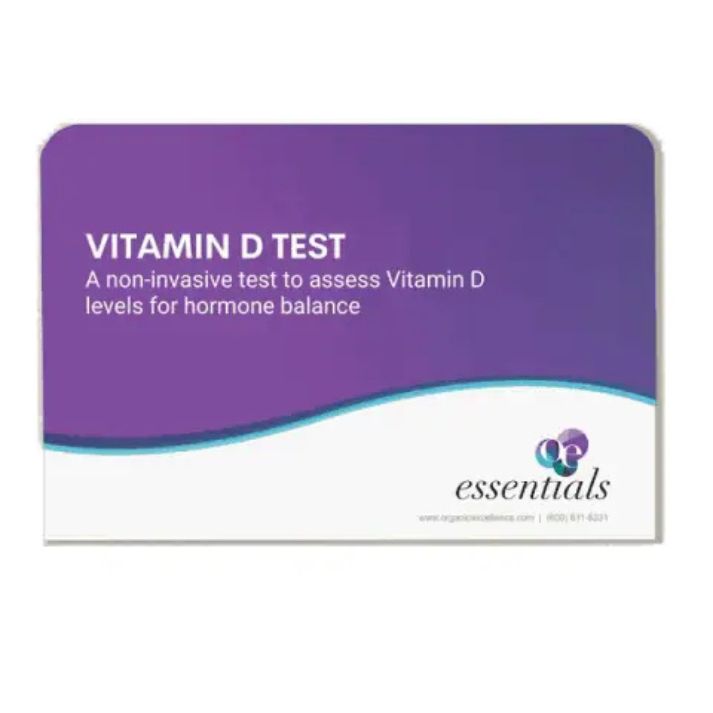
At-Home Test Kit: Vitamin D — Simple Blood Spot Vitamin D Level Test
Vitamin D deficiency is one of the most common nutrient deficiencies, and its effects ripple into areas many people wouldn’t immediately connect bone density, immune function, mood, and even hormonal balance. The At-Home Test Kit: Vitamin D offers a simple way to check this single, high-impact marker without a clinic visit, using a quick blood spot (finger prick) collection method that’s easy to complete at home.
How the Vitamin D Test Kit Checks Your Levels at Home
You collect your sample at home from a blood spot (finger prick); no need for a blood draw at the lab. You’ll find detailed directions for sample collection inside the kit; following them carefully ensures an adequate sample for accurate lab analysis. Once collected, the sample is mailed to the partner lab for testing.
Vitamin D plays roles well beyond bone health; it’s involved in immune system regulation, mood, and has documented interactions with hormonal pathways relevant to the broader Organic Excellence hormone balance product range. Because vitamin D levels can be affected by season, geography, skin tone, and sun exposure habits, periodic testing, particularly during winter months or for those who spend most time indoors, can identify a deficiency that might otherwise go unnoticed, since symptoms (fatigue, low mood, frequent illness) are often attributed to other causes.
At-Home Test Kit: Vitamin D Ideal For
- Anyone with limited sun exposure — indoor workers, those in northern climates, or frequent sunscreen users
- Those experiencing fatigue, low mood, or frequent illness without a clear cause
- Women undergoing hormone balance testing who want vitamin D included in the overall picture
- Anyone wanting a simple, single-marker test as an entry point to at-home testing
- Periodic monitoring — testing seasonally to track how levels change through the year
The Seasonal Testing Note — When to Test for the Most Useful Result
Vitamin D levels fluctuate significantly with sun exposure, meaning a test taken at the end of summer (after months of sun exposure) can look very different from one taken at the end of winter even for the same person with no supplementation changes. Testing toward the end of winter, when levels are typically at their lowest, can reveal a deficiency that a summer test might miss entirely.
For those tracking levels over time whether to monitor a supplementation regimen or simply understand their own seasonal pattern testing at consistent points each year (e.g., always late winter, or both late winter and late summer)At-Home Test Kit: Vitamin D provides more useful comparative data than a single one-off test.
How to Use At-Home Test Kit: Vitamin D
Collect a blood spot sample via finger prick following the detailed directions included in the At-Home Test Kit: Vitamin D. Mail the sample to the partner lab using the provided prepaid materials. Results report your vitamin D level with reference ranges for deficiency, insufficiency, and optimal levels.
Full Ingredients
This is a diagnostic test kit, not a topical or ingestible product. The kit includes a blood spot (finger prick) collection device and prepaid return packaging for laboratory analysis of vitamin D levels.