Organic Toothpaste: How to Choose the best?
Buying organic toothpaste is easy until you are standing in front of the dentist’s counter and see all the labels claiming cleaner breath, fresher breath, whiter teeth, gum care, and much more… But what is considered natural, and does a natural formula scrub your teeth as effectively as a traditional formula? These are good questions if you are looking to make better choices for the daily grind. The important thing is not to rely solely on the words natural, organic, and chemical-free as indicators of a product. Rather, check the ingredients and the claims made about the product; if cavity protection is important to you, consider the fluoride content.
What is a “Natural” Toothpaste?
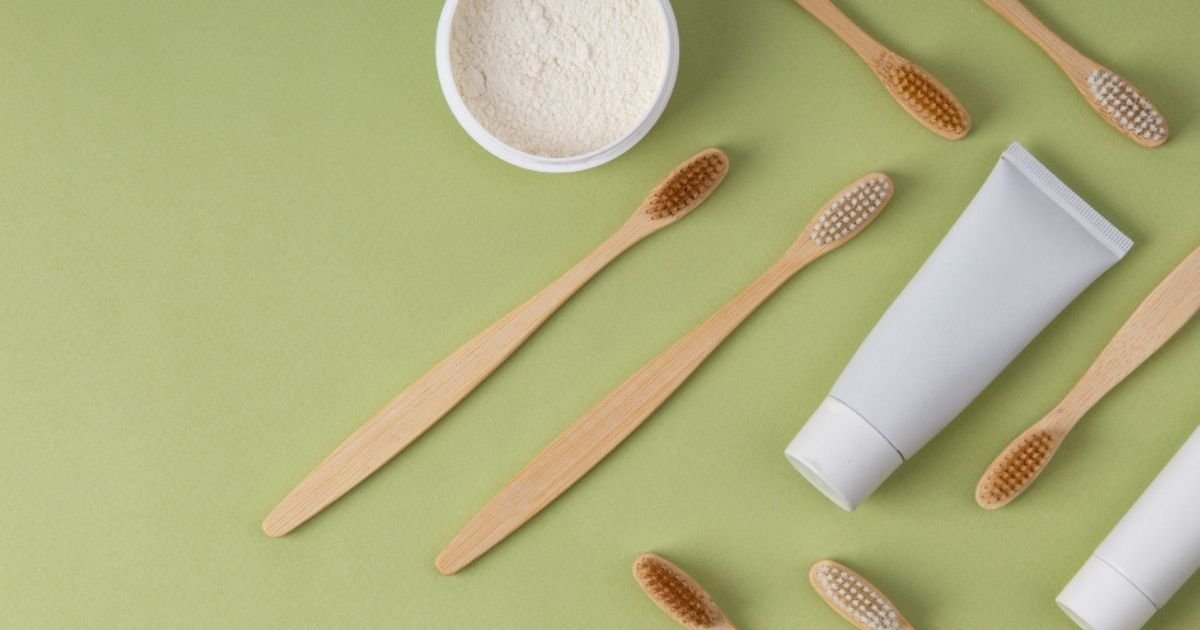
Natural may be defined differently for various products and brands. Natural Toothpaste Products can contain ingredients like peppermint oil, coconut ingredients, xylitol, mineral abrasives, or botanical extracts. Yet, ‘natural’ is not necessarily ‘safer’ or ‘more effective, ‘ and a synthetic ingredient is not necessarily a harmful ingredient. A good strategy is to read all the ingredients rather than the front of the package.
Some of the more common ingredients to watch out for are:
Mild abrasives that help clean the tooth surface, flavouring ingredients that add flavour to the toothpaste, and active ingredients intended to address specific oral-care needs may be present, depending on the formulation. Fluoride deserves special mention if there is a need to prevent cavities. The American Dental Association has found that fluoride toothpaste works to prevent tooth decay, and its recommendations for overall home care are to brush at least twice a day for two minutes using fluoride toothpaste. Does Organic Toothpaste Work?
Yes, a natural formula can fit in a good oral-care routine, but just “natural” is not enough information to gauge whether a toothpaste offers cavity protection. Toothpaste is like a tool—you can see what it is by reading the label, but you can see what it does by reading the active ingredients. If you tend to get cavities, it might be essential to pick a fluoride product. The ADA now recognizes toothpastes containing fluoride as products that benefit in preventing tooth decay. Why Fluoride is still important.
When looking for natural toothpaste that does not contain chemicals, keep in mind that anything in science is a chemical. The real question is whether ingredients are right for you and have been backed by evidence. Always check the label, as some natural-looking products contain fluoride, and others do not.
Natural Toothpaste Comparison – What to Steer Clear Of?
When comparing natural toothpaste, the packaging is not the most important factor. Determine if the organic toothpaste contains fluoride, its primary cleaning ingredients, if it is supposed to be addressing sensitivity or gum problems, and if the flavour is appealing. Another helpful reference is the ADA Seal of Acceptance, which indicates that products carrying the Seal have been evaluated for safety and effectiveness in meeting specific claims. If you desire independently evaluated evidence, this is another resource to consider.
Areas that can be improved through fluoridation. Areas that are amenable to fluoride.
If you prefer strong mint flavours, mild flavors, or a sensitive teeth formula, you might want to consider that. Some Natural Toothpaste Products are formulated primarily based on the type of ingredients you prefer, and others feature a natural formula and active ingredients for oral health benefits.
Who May Prefer Natural Organic Toothpaste?
Some opt for organic toothpaste as they wish for it to have a shorter list of ingredients or use plant-based ingredients. It is a good option to choose. Just be sure that your selection still suits your dental requirements, especially if you have frequent cavities, gum problems, or sensitive teeth. If you have any questions about which formula you should use, consult your dentist, who can make a recommendation based on your particular risk factors.
What is the best way to brush with organic toothpaste?
No amount of toothpaste will make up for poor brushing skills. As part of your regular oral care routine, brush twice daily, for approximately two minutes, and floss between your teeth. Twice a day, brush with a fluoride toothpaste for two minutes, as a specific recommendation of the ADA.
Brushing habits that matter- just some tips for you.
Take care to use a soft-bristle toothbrush, brush gently, and pay special attention to the gum line. Buying the priciest tube on the shelf is not the most important thing; it is consistency. A simple routine you do every day beats a complicated routine you do not do after a week; otherwise, you’re just wasting your time.
What are the things you should NOT do?
Be wary of health claims that are not specific and do not describe which components are behind the claims. The term “chemical-free” is also incorrect, as every material in the world is made up of chemicals. Rather, search for clear—and clear and clear—transparency on the product label and claims that are specific and easy to understand.
It doesn’t need to be difficult to find the right organic toothpaste. Begin with your own oral-health needs and then see if you need fluoride to provide cavity protection. When comparing natural toothpastes, it is important to consider the evidence, ingredients, and benefits as opposed to marketing terms. If you prefer a natural toothpaste with no chemicals in it, be aware that while “chemical-free” may not be a scientific term, it is important to select the ingredients and product suitable for you. Even though it might seem like a big hurdle, using organic toothpaste can be easily integrated into your daily routine with a bit of label reading and regular brushing.
FAQs
Q1. Does natural toothpaste work?
It may be, but it will depend on the formula and active ingredients used. There is good evidence for using fluoride toothpaste for cavity prevention.
Q2. Does natural toothpaste contain fluoride?
There are some natural products which contain fluoride and some which do not. Never assume; always read the ingredient panel and product claims.
Q3. Does natural toothpaste protect against tooth decay?
A specially formulated and tested organic toothpaste with fluoride may be helpful, especially if it is a cavity prevention product. According to the ADA, toothpaste containing fluoride is proven to be effective against tooth decay.
Q4. Are toothpastes with no fluoride safe for children?
Depending on a child’s age and specific dental requirements, the child’s toothpaste should be chosen. The advice on the product directions and the parent’s dentist must be followed.
Q5. What is the best natural toothpaste?
Check ingredients, fluoride, benefits claimed, taste, and any relevant dental issues. Seek non-flammable, true evidence, not just terms like natural or organic.